
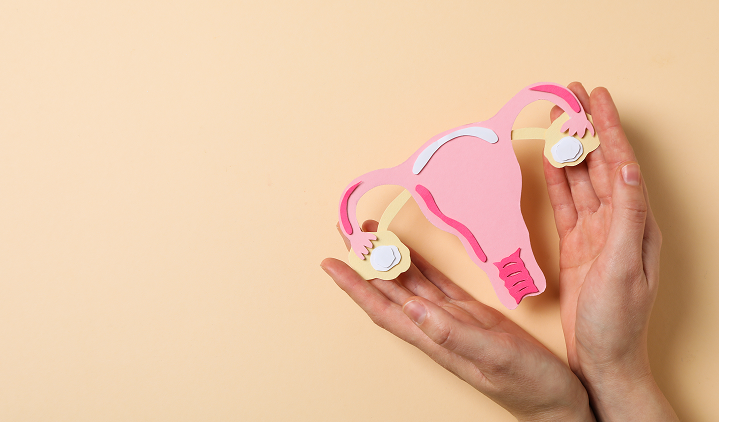
For the longest time, most of us are taught to think about hormones in a very narrow way. If something feels off — irregular periods, sudden weight gain, mood swings, unexplained fatigue — the first place we look is the thyroid or the ovaries. And while those matter, there's a piece of the puzzle that rarely gets talked about: your gut.
The gut hormone connection is one of the most important — and most overlooked — links in women's health today. When your gut is in a good place, your body tends to feel balanced. When it's not, things slowly start feeling out of sync.
Inside your gut lives an entire ecosystem of microorganisms — this is what's called the gut microbiome. These microorganisms help digest food, absorb nutrients, manage inflammation, and — here's what surprises most people — they directly influence how your hormones behave.
Your gut is in constant communication with your endocrine system through a network often called the gut-brain-hormone axis. When everything is in balance, your hormones tend to stay stable. But when your gut microbiome is disrupted, that balance can quietly begin to shift.
Gut imbalance doesn't always announce itself loudly. This imbalance, called gut dysbiosis, happens when harmful bacteria begin to outnumber the good ones. Over time, this can have a real impact on your hormonal health.
Your gut helps regulate estrogen levels through a specialised group of bacteria known as the estrobolome. When this system isn't functioning properly, estrogen levels can rise or fall unpredictably — showing up as acne, irregular menstrual cycles, or stubborn weight gain.
An imbalanced gut frequently triggers low-grade, chronic inflammation throughout the body. This background inflammation can quietly interfere with how your hormones signal and function.
Your gut also plays a direct role in how your body responds to insulin. When gut health and insulin resistance are connected, a poorly functioning gut can make your cells less responsive to insulin — feeding into weight gain, cravings, and hormonal disruption. According to WHO, diabetes and insulin-related conditions are among the fastest-growing health concerns globally, and gut health is now understood to be a central factor.
Women with PCOS often have measurable differences in gut microbial patterns compared to women without the condition. Gut dysbiosis may be both a cause and a consequence of PCOS — a two-way street. If you've been diagnosed with PCOS or suspect you might have it, understanding how to improve thyroid health naturally is also relevant, as thyroid and PCOS often co-exist and affect the same hormonal pathways.
Reduced microbial diversity is associated with hyperandrogenism — elevated testosterone — in PCOS. Gut dysbiosis also drives insulin resistance, which further stimulates the ovaries to produce excess androgens.
When your gut isn't supporting insulin sensitivity, blood sugar becomes much harder to manage. Up to 70% of women with PCOS have insulin resistance. This forces the pancreas to produce more insulin, which then signals the ovaries to make even more androgens. Reviewing common diet mistakes that spike blood sugar is a practical first step.
One of the lesser-known roles of the gut is helping the body remove excess hormones. When your gut is sluggish, those hormones can get reabsorbed back into the bloodstream — through a process regulated by the estrobolome — keeping the hormonal imbalance going in a cycle.
If you've ever felt like you're doing everything right but still gaining weight, your gut might be part of the story. This is closely tied to the metabolism myth — why your slow metabolism might not be the whole problem.
Several of these symptoms also overlap with the silent symptoms of Type 2 diabetes. If you're experiencing multiple signs from both lists, it's worth a deeper look at your metabolic health.
The gut hormone connection is real, well-researched, and incredibly important — especially for women dealing with PCOS, unexplained weight gain, or hormonal imbalance. When you start supporting your gut, you often begin addressing the actual root of the problem.
It's not about quick fixes or perfect eating. It's about small, consistent changes that help your body find its balance again.

Nutritionist and Dietician, Ruhi Rajput is a renown name, championing the integration of nutrition, lifestyle, and mindfulness She has over a decade of valuable experience, empowering health and nutrition through holistic approach.
Recognised as India's top Dietician and Nutritionist expert, with experience in Clinical Nutrition & Ayurvedic Dietetics. Ruhi has crafted a niche for herself with her excellence in gut health, natural Hormone balance with food and weight loss programs. She is popular for her holistic health approach and offers comprehensive solutions to gut health, weight management, autoimmune disorders and diet for Diabetes, Kidney and fatty liver.
Drawing from her expertise in nutrition and functional medicine Ruhi Rajput has made it easy for countless individuals to reach their optimal health goal with commitment to sustainable and holistic approach.