
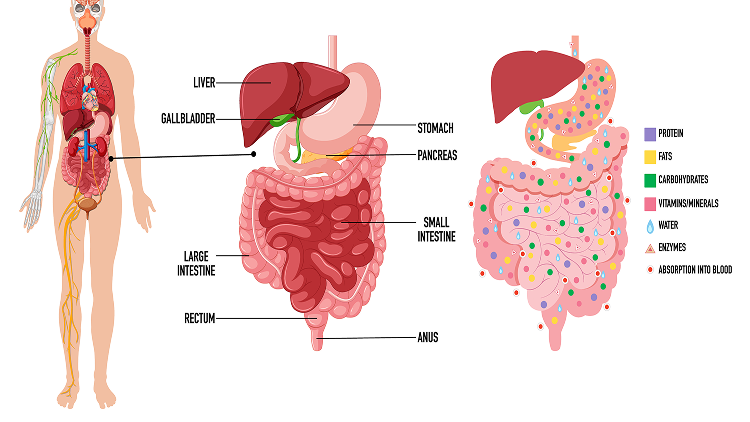
For a long time, most of us treat digestive discomfort as something normal — a part of daily life we just accept and move on from. Bloated after a heavy meal? Blame the food. Acidity after chai? Blame the caffeine. Sluggish digestion? Just stress.
But these aren't random inconveniences. They're signals. And more often than not, they're pointing to your gut health.
The good news? You don't need expensive supplements or complicated diets. Some of the most effective Indian foods for gut health have been sitting in your kitchen your whole life. You just need to use them a little more intentionally.
Your gut is home to trillions of bacteria — collectively called the gut microbiome. Research now confirms that a diverse, balanced microbiome is directly linked to better digestion, stronger immunity, clearer skin, and more stable moods. Understanding why fiber is good for your gut is one of the most important starting points for anyone looking to improve their digestive health.
When this system is disrupted — a condition called gut dysbiosis — you start noticing bloating, heaviness, low energy, irregular bowel movements, or even skin breakouts. Traditional Indian foods for digestion have centuries of built-in gut wisdom that modern nutrition science is only now beginning to fully appreciate.
Curd is probably the most underrated probiotic food in India. Fresh homemade curd is packed with live beneficial bacteria — including Lactobacillus strains — that directly support your gut microbiome. Regular consumption helps maintain microbial diversity, improves nutrient absorption, and keeps digestion smooth.
Chaas has been a post-meal staple in Indian homes for generations. It contains natural probiotics like Lactobacillus casei that support the gut lining and restore balance. When seasoned with jeera, ginger, and mint, it becomes even more effective.
Khichdi is genuinely one of the most gut-friendly Indian meals you can eat. The combination of rice and lentils makes it easy to digest, light on the gut, and nourishing at the same time. Adding a teaspoon of ghee improves its gut-supporting properties even further.
Ginger contains gingerols and shogaols — compounds that stimulate digestive enzymes, speed up gastric emptying, and significantly reduce bloating and nausea. It also has anti-inflammatory properties that soothe an irritated gut lining. Cinnamon is another powerful spice that works synergistically with ginger for blood sugar and digestive support.
Cumin stimulates digestive enzymes, helps reduce gas formation, and improves how efficiently your body absorbs nutrients. It also has mild antimicrobial properties that help keep harmful gut bacteria in check.
Ajwain contains thymol, a compound with anti-inflammatory and antibacterial properties. It helps relieve indigestion, reduce acidity, and ease stomach discomfort almost immediately.
Fennel seeds relax the muscles of the digestive tract, reduce bloating, ease gas, and support smooth digestion. For a deeper look at exactly how saunf works in your body, this detailed guide on fennel seeds for bloating relief explains the science behind it.
Ghee contains butyrate, a short-chain fatty acid that directly feeds and nourishes the gut lining. A healthy gut lining is essential for proper digestion and nutrient absorption. In the right amount, ghee is genuinely gut-supportive. For guidance on choosing the right fats overall, how to select the perfect cooking oil for every dish is a practical companion read.
Fermented Indian foods like idli, dosa, and dhokla are some of the best probiotic-rich Indian foods for digestion. The fermentation process breaks down carbohydrates and proteins before they even reach your stomach, making these foods significantly easier to digest. They also increase B vitamins and introduce beneficial microbes that support gut microbiome balance.
Leafy greens like palak, methi, and coriander are rich in dietary fiber — the single most important nutrient for a healthy gut microbiome. When gut bacteria break down fiber, they produce short-chain fatty acids that nourish the gut lining and reduce inflammation. Read the complete breakdown: why fiber is good for your gut
Bananas are one of the best prebiotic foods in the Indian diet — they feed the good bacteria in your gut and help regulate bowel movements naturally. Slightly unripe bananas contain resistant starch that acts as a powerful prebiotic.
Curcumin, the active compound in turmeric, is one of the most studied anti-inflammatory compounds for gut health. It helps reduce gut inflammation, supports the gut lining, and may help with conditions like irritable bowel syndrome. For broader context on managing blood sugar and metabolic health through diet, the Mediterranean diet's approach to immunity builds on many of the same anti-inflammatory principles.
Good health doesn't always come from complicated routines or expensive products. Indian kitchens are full of gut-healing foods — fermented, fiber-rich, anti-inflammatory, and probiotic-rich — that most of us have been eating our whole lives without fully appreciating their value.
Start small. Add one or two of these foods more intentionally into your routine. Stay consistent. Over time, you'll notice the difference not just in your digestion, but in your energy, your skin, and how you feel overall.

Nutritionist and Dietician, Ruhi Rajput is a renown name, championing the integration of nutrition, lifestyle, and mindfulness She has over a decade of valuable experience, empowering health and nutrition through holistic approach.
Recognised as India's top Dietician and Nutritionist expert, with experience in Clinical Nutrition & Ayurvedic Dietetics. Ruhi has crafted a niche for herself with her excellence in gut health, natural Hormone balance with food and weight loss programs. She is popular for her holistic health approach and offers comprehensive solutions to gut health, weight management, autoimmune disorders and diet for Diabetes, Kidney and fatty liver.
Drawing from her expertise in nutrition and functional medicine Ruhi Rajput has made it easy for countless individuals to reach their optimal health goal with commitment to sustainable and holistic approach.