
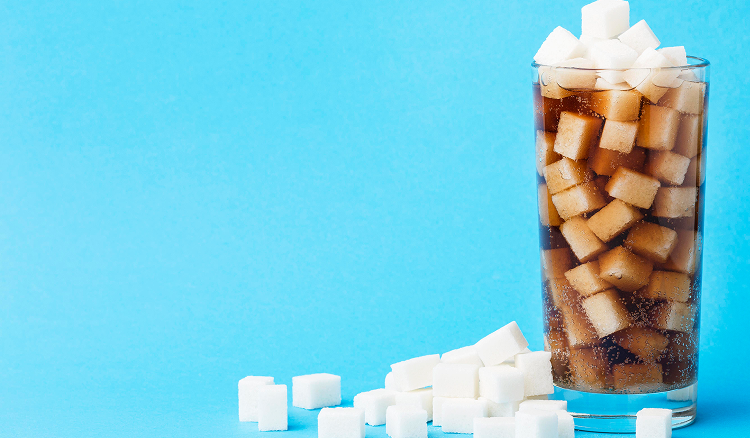
For many years, regular soda was switched out for diet soda, which was marketed as the ultimate "hack" for people who are conscious about health, and those who have diabetes. The reasoning sounds logical enough: A drink that has zero grams of sugar, and zero calories, should have no effect on blood glucose, right?
But in the realm of nutritional science, that is far too simplistic. The human body is a lot more complex than that. While diet and zero sugar sodas may have no sugar added, their effects on diabetes mellitus and metabolic health are just as negative as regular soda. In this blog, we will explore the effects of artificial sweeteners and their effect on the body, gut microbiome, and the risk of developing type 2 diabetes and insulin sensitivity.
One of the largest misconceptions when it comes to diet soda is that zero sugar means zero impact. Yes, the human body is complex, but to understand this physiological paradox born from the diet soda, we first need to understand how a sweetened beverage works.
When your tongue tastes something that is hundreds of times sweeter than sugar, your brain gets ready for a huge hit of sugar. It gets the pancreas ready to release insulin, but when that sugar never comes, it disrupts the body's metabolic signaling. The Mayo Clinic says that though artificial sweeteners do not raise sugar levels in the short term, perhaps they influence the way the body manages sugar in the long run.
The increasing consumption of diet soft drinks is a cause for concern, as it has been linked to newly diagnosed diabetes (incident diabetes). Even in the absence of a sugar spike, diet soda drinkers compared to water drinkers have shown to be more insulin resistant.
In addition to sugar levels, diet drinks consumption is usually a symptom of more significant health issues.
The pancreas isn’t the main concern when it comes to diet sodas; heavy consumption can lead to cardiovascular disease and hypertension. The research paper published in PMC mentions that dietary sodas can cause artery stiffness and even metabolic syndrome due to the pseudoscientific ingredients and phosphoric acids. With older adults who are immunocompromised and may already have heart conditions, the consumption of these beverages can cause serious problems.
The irony of drinking diet sodas to lose weight is that studies show it has the opposite effect. With the consumption of food and beverages sweetened with artificial sweeteners, the body’s natural appetite and hunger mechanisms are altered and inactivated. These sweeteners increase the production of ghrelin and decrease the production of leptin, resulting in increased appetite. As a result, people will crave even more sugary and calorific foods, inhibiting their ability to eat a balanced diet.
The most worrying aspects of metabolic research today is the connection of the gut microbiome and non-nutritive sweeteners. There are trillions of bacteria in your gut, and they can greatly affect your metabolism and insulin sensitivity.
New findings point to saccharin and sucralose as having a potential impact on the composition and function of the gut microbiome. An imbalanced microbiome (dysbiosis) can trigger low-grade inflammation and poor tolerance to glucose. So Diet Coke doesn't have sugar but still can change your gut to work inefficiently when having sugar in other food. This secret mechanism adds on why experts don't recommend diet sodas to control sugar levels.
What can be done to improve your health in general or if you have the diagnosis of diabetes mellitus?
If you are looking for a ‘miracle drink’, you will not find it in a can. One of the most important studies referenced by Diabetes.org shows that women who replaced diet drinks with water had a two-fold higher rate of diabetes remission. Water is and will always be the only neutral drink. It also has the added benefits of improving kidney function, skin health, and helps to stabilize your metabolism.
Think plain water is boring? Try these substitutes:
For older adults, the stakes are higher. Dehydration is a common problem, and relying on caffeinated diet sodas can worsen the issue. Natural alternatives or water are better for older adults for managing type 2 diabetes or the symptoms.
"Cold turkey" isn’t a good idea for removing diet sodas, as the caffeine and habit will be tough to overcome. Use this guide:
1. The 1-for-1 Rule: For every diet soda, drink 2 glasses of plain water.
2. Recognize the Trigger: Do you drink it for the caffeine, the fizz, or the sweetness? Knowing the reason can help you choose a healthier swap. Examples: green tea for caffeine, seltzer for fizz.
| Feature | Regular Soda | Diet Soda | Water |
|---|---|---|---|
| Blood Sugar Spike | Immediate and High | Low/Minimal | None |
| Insulin Impact | High | Potential (Cephalic Phase) | None |
| Gut Health | Negative (High Sugar) | Negative (Artificial) | Positive/Neutral |
| Weight Impact | Weight Gain | Potential Weight Gain | Supports Weight Loss |
| Diabetes Risk | High Risk | Significant Risk Factor | Lowest Risk |
It's almost certain that one Diet Coke will not hurt you. But the approach of replacing water with sugar-free drinks can be a problem. To improve blood sugar levels and overall health it is best to avoid using artificial sweeteners completely.
It's important to talk to your doctor before making big changes to your diet, especially if you have high blood sugar or heart disease. Physicians or registered dietitians can help with these specific details based on your condition.
To learn more about how to manage your diet and the risks of sugar-free drinks, check out these resources:

Nutritionist and Dietician, Ruhi Rajput is a renown name, championing the integration of nutrition, lifestyle, and mindfulness She has over a decade of valuable experience, empowering health and nutrition through holistic approach.
Recognised as India's top Dietician and Nutritionist expert, with experience in Clinical Nutrition & Ayurvedic Dietetics. Ruhi has crafted a niche for herself with her excellence in gut health, natural Hormone balance with food and weight loss programs. She is popular for her holistic health approach and offers comprehensive solutions to gut health, weight management, autoimmune disorders and diet for Diabetes, Kidney and fatty liver.
Drawing from her expertise in nutrition and functional medicine Ruhi Rajput has made it easy for countless individuals to reach their optimal health goal with commitment to sustainable and holistic approach.