
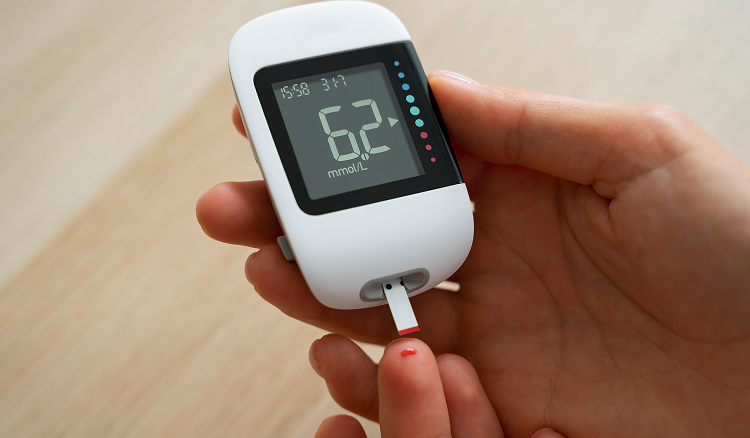
Diabetes mellitus is not a monolithic disease, but as a spectrum of various metabolic disorders. Each type has unique causes of elevated blood glucose levels. Whether it is an autoimmune response that attacks the pancreas, or a resistance to the insulin that is present, the diminishment of metabolic health is profound.
Achieving a deeper understanding of the unique pathophysiology of each type of diabetes is key to effective treatment. This clinical overview addresses the core three types of diabetes, the other rare and atypical types and the modern diabetes treatment and the life-altering complications it aims to delay.
The core of each diabetes diagnosis is the hormone insulin. Insulin is produced by the beta cells of the pancreas. Insulin is the key hormone that facilitates the entry of glucose into cells and it’s utilization for energy. When this process is defective, glucose accumulates in the blood, resulting in the complications we associate with the disease.
An autoimmune response occurs in type 1 diabetes when the body’s immune system attacks beta cells conceeding these cells to be foreign invaders. The body will no longer be able to produce insulin in the absence of beta cells. This type of diabetes often runs in families so a strong genetic link along with a suspected environmental trigger is common. Though observed primarily in the Pediatrics population, it can occur at any point in the age spectrum.
This form of diabetes accounts for 90%-95% of cases in the country. The primary problem in type 2 diabetes is a condition called insulin resistance. This is when body cells fail to respond to insulin. In a futile effort to make the cells respond, the pancreas produces insulin. When the pancreas can no longer produce insulin, the result is an increased blood sugar level. Significant family history, obesity, and a sedentary lifestyle can all be risk factors.
Gestational diabetes only occurs when someone is pregnant. The hormones released from the placenta affect the way the pregnant person uses insulin which causes issues with how they are able to regulate sugar glucose. Although this condition usually goes away after giving birth, it poses risks for the mom and the baby because they are both at a greater risk for developing Type 2 diabetes later in life.
In order to establish clinical authority, one must step outside common diagnoses and include the more “niche” types of diabetes that may require more specialized care.
When it comes to the diagnostics for Diabetes, the American Diabetes Association (ADA), has put forth, the “Standards of Care,” which the clinicians then test against to be certain. It includes:
Recent developments allow modern technology in diabetes care to shift from passive, static diabetes technologies toward active, real-time data analytics and diabetes management as illustrated in the following examples.
Understanding the complications that arise from poor management of blood glucose levels and the resulting damage to the vascular system explains the need for tighter control on blood glucose levels, as elevated blood glucose levels are "toxic" to the vascular system. These diabetes complications are grouped into two categories — the microvascular and the macrovascular.
Chronic inflammation of the large blood vessels increases the likelihood of developing cardiovascular disease, stroke, and peripheral artery disease. This explains why control of blood pressure and cholesterol are equally important as control of blood glucose levels.
A diabetes management plan that achieves the desired goals must be anchored in two fundamental approaches: lifestyle and pharmacotherapy.
Long term positive effect on insulin sensitivity can be achieved through a healthy diet consisting of low glycemic (low carb) foods and physical exercise. Even for those at high risk, changing lifestyle habits can prevent the onset of type 2 diabetes for good.
| Feature | Type 1 | Type 2 | LADA |
|---|---|---|---|
| Pathophysiology | Autoimmune reaction | Insulin resistance | Slow autoimmune attack |
| Beta Cell Status | Destroyed | Exhausted over time | Slowly declining |
| Typical Onset | Sudden (Children/Teens) | Gradual (Adults) | Gradual (Adults 30+) |
| Primary Treatment | Insulin Pump/Injections | Physical activity, Meds | Eventually Insulin |
| Family History | Moderate Link | Strong Link | Moderate Link |
Two resources have been brought together for the sake of navigating diabetes care and for the sake of those who have not become patients, but remain empowered.
| Test Name | What it Measures | Normal Range | Pre-Diabetes | Diabetes Range |
|---|---|---|---|---|
| HbA1c | 3-month average sugar | Below 5.7% | 5.7% – 6.4% | 6.5% or higher |
| Fasting Glucose | Sugar after 8-hour fast | 70–99 mg/dL | 100–125 mg/dL | 126 mg/dL + |
| OGTT | Sugar 2 hours after drink | Below 140 mg/dL | 140–199 mg/dL | 200 mg/dL + |
Clinical Note: Even though the American Diabetes Association sets these guidelines, your specific goal may vary depending on your age, if you are pregnant, or other health issues. Please be sure to go over your individual goals with your provider.
1. Continuous Glucose Monitors (CGM)
2. Insulin Pumps
3. The “Closed Loop” System
The best way of treating diabetes currently is through an Automated Insulin Delivery (AID) system. This means your CGM is “talking” to your Insulin Pump. The CGM sees your sugar go up, and instructs the pump to increase insulin. This is one way to help reduce the risks of heart and kidney disease.
Taking charge of your metabolic health is an ongoing process. Now that you have some insight into the types and the technology:
Diabetes mellitus is a life-altering diagnosis, but it is not a sentence to poor health. By understanding the specific form of diabetes you are dealing with—whether it's the autoimmune challenges of Type 1 or the metabolic hurdles of Type 2—you can build a targeted defense.
A doctor's insight: "When I explain my patient's BMI to them, I tell them that it is like the check engine light in a car. It signals the owner to see what the problem is, but does not indicate what the problem is. To better understand what I mean, we have to look at your sleep, stress, diet and exercise and blood work before we can decide what path to take."
Prioritizing a healthy diet, utilizing continuous glucose monitors, and staying informed on American Diabetes Association standards will ensure that you can manage your blood glucose levels and lead a full, active life. Knowledge is the ultimate tool for diabetes prevention and long-term wellness.
For more information, visit these clinical resources:

Nutritionist and Dietician, Ruhi Rajput is a renown name, championing the integration of nutrition, lifestyle, and mindfulness She has over a decade of valuable experience, empowering health and nutrition through holistic approach.
Recognised as India's top Dietician and Nutritionist expert, with experience in Clinical Nutrition & Ayurvedic Dietetics. Ruhi has crafted a niche for herself with her excellence in gut health, natural Hormone balance with food and weight loss programs. She is popular for her holistic health approach and offers comprehensive solutions to gut health, weight management, autoimmune disorders and diet for Diabetes, Kidney and fatty liver.
Drawing from her expertise in nutrition and functional medicine Ruhi Rajput has made it easy for countless individuals to reach their optimal health goal with commitment to sustainable and holistic approach.