
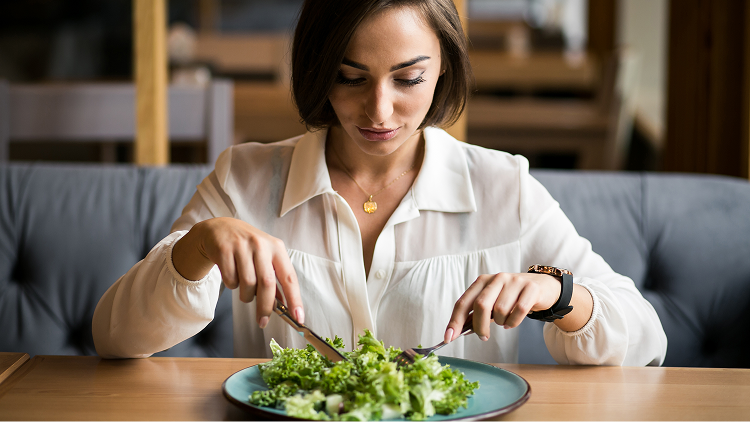
You've been eating clean. Salads, fruits, home-cooked meals, no junk. And yet — you still feel bloated after eating healthy.
Here's the thing most people don't realise: bloating after eating healthy food is actually very common. Digestion isn't only about food choices. It's about how you eat, how your gut microbiome is functioning, and how your body individually responds to certain foods — even nutritious ones.
Bloating isn't always visible. Sometimes it's just that uncomfortable tightness or heaviness that lingers after eating. If it's happening regularly, especially after meals you'd consider healthy, your body is trying to tell you something worth listening to.
When you eat quickly, you swallow air along with your food, and that trapped air causes immediate discomfort. Fast eating also means food isn't chewed properly, forcing your digestive system to work much harder.
→ What helps: Slow down, take smaller bites, and chew thoroughly.
Fiber is great for your gut — but adding too much too fast is one of the most common causes of bloating from healthy food. To understand exactly how fiber works in your gut, this complete guide to why fiber is good for your gut explains it clearly. The transition can be uncomfortable, but it's a sign your gut is working.
→ What helps: Increase fiber gradually over several weeks and drink enough water alongside it.
Dairy, gluten, cruciferous vegetables, legumes, onions, and garlic can all trigger bloating in sensitive individuals. FODMAPs — fermentable carbohydrates found in many healthy foods — are a well-researched cause of gas and bloating, particularly in people with IBS.
→ What helps: Start noticing patterns. A simple food journal is one of the most effective tools for identifying your personal triggers.
When your gut microbiome is imbalanced — a condition called gut dysbiosis — even good food can start fermenting in the wrong places. Health-conscious people who eat a lot of fiber-rich foods can trigger more bloating if their microbiome is imbalanced.
→ What helps: Add natural probiotic foods like curd and chaas regularly. Include prebiotic foods like bananas, garlic, and oats.
Just because something is nutritious doesn't mean your digestive system can handle unlimited quantities at once. A very large bowl of salad or a heavy serving of lentils can all overwhelm your stomach.
→ What helps: Eat until comfortably satisfied, not stuffed. Smaller, more frequent meals are often easier on digestion.
Drinking large amounts of water while eating can dilute digestive enzymes and stomach acid, slowing gastric emptying and contributing to that heavy, bloated feeling.
→ What helps: Sip small amounts during meals. Drink most of your water at least 30 minutes before or after eating.
Raw vegetables are harder to break down because their cell walls are intact. Large amounts of raw cruciferous vegetables can ferment quickly and produce significant gas.
→ What helps: Balance raw and cooked foods. Lightly steaming vegetables makes them much easier to digest without losing nutritional value.
Stress and bloating are directly linked through the gut-brain axis. When you're stressed, your body enters low-level fight-or-flight mode, digestion slows, and gas builds up. Even the cleanest meal won't digest well if eaten in a rushed or stressed state.
→ What helps: Eat in a calm environment. Even three slow, deep breaths before a meal can meaningfully shift your body into a more relaxed digestive state.
Prolonged sitting after eating slows digestion and encourages gas to build up. Movement helps your gut stay active. For more on this, see how increasing daily metabolism habits naturally supports better digestion too.
→ What helps: A short 10–15 minute walk after meals is one of the simplest natural remedies for bloating.
Many packaged "health" foods contain artificial sweeteners like sorbitol, maltitol, or sucralose that disrupt gut bacteria and cause bloating. This is especially relevant if you consume diet coke or sugar-free drinks — these can be surprisingly harmful to your gut despite zero calories.
→ What helps: Stick to simple, home-cooked meals. Shorter ingredient lists are usually safer for your gut.
Speak with a doctor if you experience: bloating that is frequent or severe, persistent abdominal pain, unexplained weight loss alongside digestive symptoms, blood in stools, or symptoms that worsen significantly after eating. These could indicate underlying conditions like IBS, SIBO, or food intolerances that benefit from proper diagnosis.
If you're feeling bloated even after eating healthy, you're not doing something wrong. Bloating is rarely about the food alone. The good news is that most causes respond really well to simple, consistent changes.
Start with one or two habits. Pay attention to your body. Stay consistent.
Your gut responds best to patience and consistency — not perfection.

Nutritionist and Dietician, Ruhi Rajput is a renown name, championing the integration of nutrition, lifestyle, and mindfulness She has over a decade of valuable experience, empowering health and nutrition through holistic approach.
Recognised as India's top Dietician and Nutritionist expert, with experience in Clinical Nutrition & Ayurvedic Dietetics. Ruhi has crafted a niche for herself with her excellence in gut health, natural Hormone balance with food and weight loss programs. She is popular for her holistic health approach and offers comprehensive solutions to gut health, weight management, autoimmune disorders and diet for Diabetes, Kidney and fatty liver.
Drawing from her expertise in nutrition and functional medicine Ruhi Rajput has made it easy for countless individuals to reach their optimal health goal with commitment to sustainable and holistic approach.