
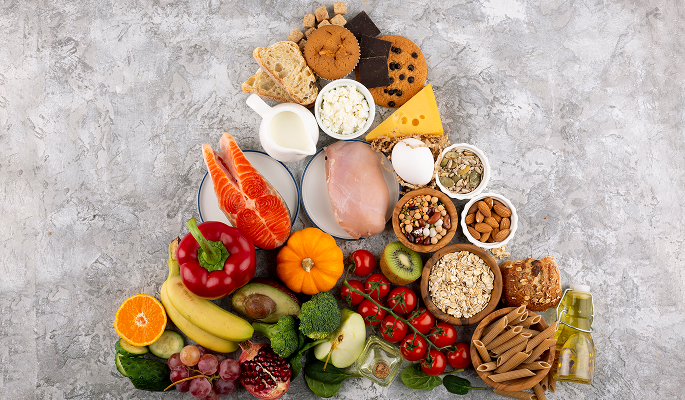
Foods with a low glycemic index (GI) release sugars into the bloodstream slowly and help the body maintain balanced energy. Imagine a large campfire. High-GI foods are like paper. They burn fast and leave you hungry and tired shortly after. Low-GI foods are like solid wooden logs. They burn slowly and provide steady energy for hours.
The glycemic index is a ranking system from 0 to 100 that measures how quickly foods raise blood sugar levels.
Following trusted low-GI food lists helps keep blood sugar stable, control appetite, and sustain energy. This approach is especially useful for people with diabetes, those managing weight, or anyone dealing with frequent sugar cravings.
Low-GI foods are typically high in fiber, rich in nutrients, and minimally processed, making them a strong foundation for long-term healthy eating.
Glycemic index is often linked only to diabetes, but it impacts daily energy, focus, and mood. High-GI foods cause rapid blood sugar spikes followed by crashes. These crashes often bring fatigue, brain fog, irritability, and intense sugar cravings.
Low-GI foods digest more slowly and release glucose at a steady pace. This helps stabilize energy, improve focus, control appetite, and reduce overeating, supporting both weight and metabolic health.
Experts also look at glycemic load (GL), which considers portion size along with GI.
GL = (GI × Available Carbohydrate in grams) / 100
Portion control and food quality work together to create a balanced low-GI diet. A simple way to apply this is by using a traffic-light system for food choices.
Building meals around green-light foods helps maintain steady energy, improve digestion, and support blood sugar balance.
Winning your morning starts by avoiding sugar crashes. Slow-burn breakfasts help maintain energy until lunch.
Mashed avocado on sourdough toast topped with a poached egg offers healthy fats, protein, and slower-digesting carbohydrates.
Chia seeds soaked overnight in milk, topped with blueberries and walnuts, satisfy sweet cravings without causing sugar spikes.
Pro Tip: Always add protein or healthy fats to meals. They act as a natural brake on blood sugar spikes.
Smart snacking provides lasting energy instead of triggering sugar crashes.
Apple slices with almond butter combine fiber, healthy fats, and protein for long-lasting fullness.
Hummus with bell pepper strips offers fiber and plant protein without refined carbs.
Greek yogurt mixed with flaxseeds delivers protein, fiber, and metabolic support.
Pro Tip: Pair fiber-rich carbs with protein or fat to avoid energy crashes.
Non-starchy vegetables have minimal impact on blood sugar while delivering essential nutrients.
Examples include spinach, kale, broccoli, cauliflower, zucchini, cucumber, bell peppers, cabbage, and leafy greens.
Because of their high fiber and low calorie content, non-starchy vegetables are often called “free foods” in blood sugar-friendly diets.
Protein foods typically have a glycemic index of zero but play a key role in blood sugar control. Eating protein with carbohydrates slows digestion and prevents sugar spikes.
These swaps improve digestion, promote fullness, and help maintain stable blood sugar levels.
Spinach, onion, and tomato omelet paired with avocado and whole-grain toast for sustained energy.
Quinoa, grilled chicken, zucchini, and bell peppers with olive oil and lemon.
Spiced shrimp with kale and roasted black beans creates a fiber-rich, low-glycemic dinner.
These meals show how easy it is to build daily routines using low-glycemic index foods for long-term health.

Nutritionist and Dietician, Ruhi Rajput is a renown name, championing the integration of nutrition, lifestyle, and mindfulness She has over a decade of valuable experience, empowering health and nutrition through holistic approach.
Recognised as India's top Dietician and Nutritionist expert, with experience in Clinical Nutrition & Ayurvedic Dietetics. Ruhi has crafted a niche for herself with her excellence in gut health, natural Hormone balance with food and weight loss programs. She is popular for her holistic health approach and offers comprehensive solutions to gut health, weight management, autoimmune disorders and diet for Diabetes, Kidney and fatty liver.
Drawing from her expertise in nutrition and functional medicine Ruhi Rajput has made it easy for countless individuals to reach their optimal health goal with commitment to sustainable and holistic approach.