
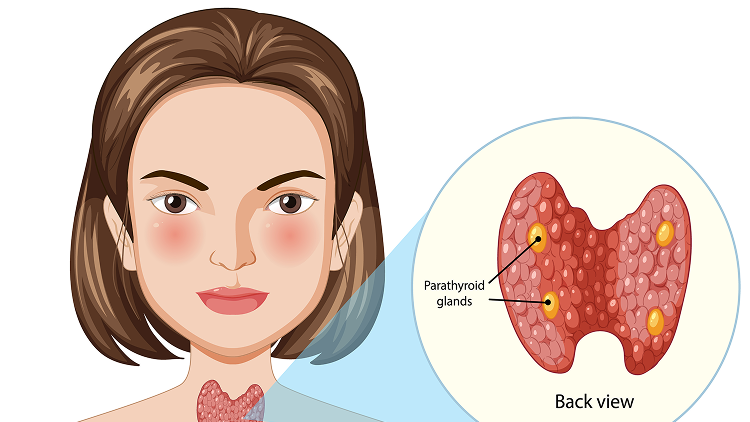
The journey to motherhood is one of the most transformative experiences in a woman's life. While much of the focus is often on the growing baby bump and the excitement of the nursery, a silent, butterfly-shaped powerhouse is working behind the scenes to ensure everything goes according to plan. Your thyroid gland, located at the base of your neck, is the master regulator of your metabolism, heart rate, and body temperature.
During pregnancy, the importance of this gland is magnified tenfold. Managing your thyroid is not just a matter of maternal wellness; it is a fundamental pillar of a healthy pregnancy. Thyroid hormones are the primary drivers of a baby’s growth and fetal brain development, especially in the critical window before the baby develops their own functioning thyroid around 18–20 weeks.
This comprehensive guide explores the complexities of thyroid function during gestation, from recognizing the subtle signs and symptoms of imbalance to navigating the medical and nutritional steps required for a successful pregnancy.
Pregnancy acts as a metabolic "stress test" for the thyroid gland. To support two lives, the maternal thyroid must increase its hormone production by approximately 50%. This surge is driven by two primary pregnancy hormones that directly interact with the thyroid.
Human chorionic gonadotropin (hCG), the hormone detected by pregnancy tests, is structurally similar to the Thyroid Stimulating Hormone (TSH). Because of this resemblance, hCG can weakly stimulate the thyroid gland to produce more hormone. In some cases, this leads to pregnancy-induced mild hyperthyroidism, which often resolves after the first trimester as hCG levels stabilize.
Perhaps the most critical reason to check thyroid health early is that the fetus is entirely dependent on the mother’s T4 (thyroxine) hormone during the first trimester. These hormones cross the placenta and are essential for the architectural development of the baby's brain. Any significant thyroid dysfunction during this stage can have lasting impacts on the child’s cognitive development and overall birth weight.
The most common thyroid complication during pregnancy is an underactive thyroid, or hypothyroidism. This occurs when the thyroid gland cannot keep up with the increased demand, leading to a slowed metabolism and systemic fatigue.
Many symptoms of an underactive thyroid overlap with common pregnancy complaints, making it easy to overlook. However, distinct signs and symptoms include:
Neglecting an underactive thyroid can lead to a variety of pregnancy complications. It increases the risk of preeclampsia (dangerously high blood pressure), placental abruption, and even miscarriage. For the infant, it may lead to developmental delays or congenital hypothyroidism.
Fortunately, hypothyroidism is highly treatable. The medical "gold standard" is levothyroxine, a synthetic form of T4 that is bioidentical to what your body produces. This thyroid medication is safe for the baby and essential for maintaining the mother's health. For deeper insight into this condition, the Cleveland Clinic offers an excellent overview of management strategies.
While less common than hypothyroidism, an overactive thyroid (hyperthyroidism) presents its own set of challenges. This is most frequently caused by Graves disease, an autoimmune condition where the body produces a thyroid antibody that overstimulates the gland.
Symptoms of hyperthyroidism can be intense and include:
Women who already manage autoimmune diseases, such as type 1 diabetes, are at a significantly higher risk for thyroid issues. The immune system, already prone to targeting the body's own tissues, may pivot to the thyroid gland during the hormonal shifts of pregnancy. In these instances, constant medical treatment and monitoring are required to balance maternal health with fetal safety.
If you are pregnant, your lab results will look different than they did a year ago. Understanding thyroid function tests is key to advocating for your health.
Usually, TSH levels are the primary indicator of thyroid health. In a healthy pregnancy, TSH levels naturally drop in the first trimester due to the influence of hCG. Because of this, doctors use pregnancy-specific reference ranges. What might be a "normal" TSH for a non-pregnant woman could indicate subclinical hypothyroidism in an expectant mother.
Because your body changes every week, your medication needs will too. It is standard practice to test thyroid levels every 4 to 6 weeks. This allows your endocrinologist to fine-tune your levothyroxine dose, ensuring your levels remain optimal as the baby grows. You can read more about the clinical guidelines for these tests at StatPearls via NCBI.
While medical treatment is the foundation of thyroid care, diet and nutrition act as the support system. Your thyroid requires specific nutrients to manufacture the hormones your baby needs.
Iodine is the primary building block of thyroid hormone. During pregnancy, your requirement for iodine increases by nearly 50%. An iodine deficiency can lead to maternal goiter and impair the baby's neurological development.
A diet rich in selenium (found in Brazil nuts) and zinc also supports the conversion of thyroid hormones. However, the most important "food" for your thyroid is a consistent, balanced intake of nutrients that prevent blood sugar spikes, which can further stress the endocrine system.
A successful pregnancy concludes with a healthy birth, but the thyroid’s journey continues. Many women experience postpartum thyroiditis—an inflammation of the thyroid that occurs in the first year after delivery.
This condition often mimics "baby blues" or postpartum depression, with symptoms like extreme fatigue and mood swings. It typically follows a pattern: a brief period of hyperthyroidism (anxiety, weight loss) followed by a longer period of hypothyroidism (lethargy, weight gain). For most, this is temporary, but it requires a check thyroid protocol to ensure it doesn't become a long term issue. The British Thyroid Foundation provides extensive resources for women navigating this transition.
| Feature | Hypothyroidism | Hyperthyroidism |
|---|---|---|
| Metabolic State | Underactive | Overactive |
| Key Symptoms | Dry skin, fatigue, weight gain | Palpitations, tremors, weight loss |
| Impact on Baby | Risks to fetal brain development | Risks of preterm birth |
| Medication | Levothyroxine (T4) | Anti-thyroid drugs (PTU/Methimazole) |
| Nutritional Focus | Iodine rich foods | Monitoring iodine intake |
Your thyroid may be small, but its role in your pregnancy is massive. By staying vigilant about signs and symptoms, attending every scheduled thyroid function test, and maintaining a diet of iodine rich foods, you are providing your baby with the best possible start in life.
Whether you are managing subclinical hypothyroidism or a more complex case of Graves disease, remember that medical science is on your side. With proper hypothyroidism treatment and close monitoring, you can look forward to a vibrant, healthy, and successful pregnancy.
For more information and visual explanations, check out these resources:

Nutritionist and Dietician, Ruhi Rajput is a renown name, championing the integration of nutrition, lifestyle, and mindfulness She has over a decade of valuable experience, empowering health and nutrition through holistic approach.
Recognised as India's top Dietician and Nutritionist expert, with experience in Clinical Nutrition & Ayurvedic Dietetics. Ruhi has crafted a niche for herself with her excellence in gut health, natural Hormone balance with food and weight loss programs. She is popular for her holistic health approach and offers comprehensive solutions to gut health, weight management, autoimmune disorders and diet for Diabetes, Kidney and fatty liver.
Drawing from her expertise in nutrition and functional medicine Ruhi Rajput has made it easy for countless individuals to reach their optimal health goal with commitment to sustainable and holistic approach.