
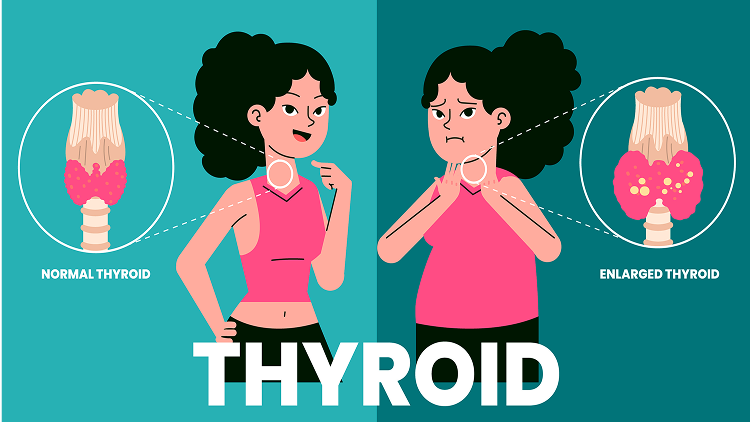
The thyroid is an important gland in the body, shaped like a butterfly and located in the base of the neck. The gland helps control body processes like metabolism and energy levels. It is responsible for producing two major hormones, T3 and T4, that make sure body cells utilize oxygen and nutrients properly. A lot of functions in the body depend on these hormones being balanced. When they are not balanced, there can be issues with focus and weight. Health sites like the Mayo Clinic say that keeping the thyroid healthy is important for keeping the heart, hormones, and metabolism balanced.
Hypothyroidism can be defined as insufficient production of thyroid hormones. Hypothyroidism causes a sluggish metabolism. Some present-day symptoms of hypothyroidism are, unexplained weight gain, elevated tiredness, decreased mental wellbeing, constipation, dry skin, and increased sensitivity to cold. Many individuals have sluggish cognition and slower bowels. According to world health statistics from the World Health Organization, concerning several global health metrics, the leading cause of thyroid-related health problems is the deficit of iodine, and of the autoimmune disorders, it is Hashimoto’s disease.
Hyperthyroidism is the opposite of hypothyroidism and is most simply described as the thyroid glands producing an overabundance of hormones, increasing the metabolism. Some symptoms of hypothyroidism are unexplained rapid weight reduction, elevated heart rate or Palpitations, increased heartbeat, and even irritability. The CDC states that Graves’ disease is most commonly associated with hyperthyroidism. The focus of treatment is dependent on how severe the hyperthyroidism is. All the disorders require the same level of attention and accuracy in determining the health status of an individual.
A healthy diet can help to help maintain healthy thyroid function, support metabolic processes, and maintain hormone balance. Eating fresh, whole, and plant-based foods fuels your gut microbiome and supports the microbiome's role in hormone regulation and the immune system. Mayo Clinic and WHO state that specific nutrients can enhance the thyroid's ability to produce and convert hormones to usable forms. While foods won't single-handedly solve thyroid conditions, they can boost energy levels, digestion, and long-term health when used in conjunction with medical treatment, which allows the thyroid to function better.
Iodine (Supports T3 and T4 production)
Thyroid hormones require iodine for synthesis. Seaweed (especially kelp), oysters, shrimp, and whole eggs are great sources.
Selenium (Helps convert T4 into active T3)
Brazil nuts are powerful sources. Just 2-3 nuts daily is sufficient. Eggs and tuna also help to hormone conversion.
Iron & Vitamin B12 (Boost energy and oxygen transport)
Grass-fed beef and figs Correct deficiencies that worsen fatigue which is common in hypothyroid states.
Antioxidants (Protect cells from oxidative stress)
Berries provide strong antioxidant protection, supporting thyroid tissue and immune function.
Omega-3 Fatty Acids (Support brain and nervous system health)
Cod and shrimp have omega 3 fatty acids that help with inflammation and metabolic management.
Probiotics for Gut Health
Yogurt made from grass-fed cows helps gut health and strengthens the gut-thyroid axis.
Long-term thyroid health is supported by a consistent thyroid-friendly diet that keeps hormones balanced.
Knowing how to use certain foods is beneficial because some food items are harmful to ones thyroid function at certain levels. Brassica vegetables such as cabbage, collard greens, cauliflower, and broccoli are goitrogenic and can inhibit iodine uptake by the thyroid to some degree. These vegetables are safe for the majority and are even okay to eat raw, but high consumption on a daily basis could be problematic for some with thyroid issues.
Eating a roasted cruciferous vegetable with tahini and a side of millet, for example, would be a fun meal to have. In general, with hypothyroidism, raw cruciferous vegetables, large amounts of millets, and high frequency of soy can be problematic as they may inhibit further hormone production. On the other side, extreme amounts of iodized salt, dairy, and starchy foods like potatoes, are problematic for hyperthyroidism.
Appreciating a diverse diet is comforting to many, and thoughtfully rationed help to function as a diverse meal with plenty of thyroid supportive foods.
When taken correctly, Levothyroxine can boost your energy, metabolism, and overall balance by keeping your thyroid hormone levels steady. Here are two important steps Levothyroxine users can take to help manage their hypothyroidism symptoms.
Timing Matters
You should take Levothyroxine first thing in the morning on an empty stomach along with a glass of water. In order to improve your body’s absorption of the medication, and to help it work for you, you should wait 30 to 60 minutes before eating breakfast.
The 4-Hour Absorption Gap
You should wait 3-4 hours after taking Levothyroxine before taking everything on the list below. Doing this will make sure that Levothyroxine can work to help control your thyroid levels more effectively without interference from the following:
The above list contains items that are known to interfere with Levothyroxine, preventing the medication from working.
If you are thinking of, or are already taking supplements, make sure to do your research before using them, as they can alter your thyroid function or interfere with your thyroid tests. Not every supplement used to manage thyroid problems will be appropriate or safe for all health conditions.
Source: American Thyroid Association
Biotin (Vitamin B7):
Biotin can interfere with thyroid testing which will give a TSH, T4, and T3 level that is abnormal. This can give a false indication of hyperthyroid. Discontinue biotin at least 1-2 weeks prior to your thyroid testing.
Iodine Supplements:
Extra iodine is usually not warranted for most with thyroid issues. If you take thyroid medication and add iodine, you will likely worsen both hypo and hyperthyroid.
Selenium:
Selenium may help lower thyroid antibodies in autoimmune conditions like Grave’s disease and can be beneficial in mild Thyroid Eye Disease, but should never be the sole treatment.
Vitamin D:
Thyroid disorders can lower vitamin D levels. A daily vitamin D supple of 10 mcg is usually recommended.
Simply put, if you're stressed out, deal with it. If you are not managing your stress, eating poorly, and not moving, you are going to worsen either hyperthyroidism or hypothyroidism. The thyroid affects your metabolism, energy levels, mood, and body temperature, so intentional lifestyle changes will help support a better balance when it comes to your hormones. Adding routines, moving your body intentionally, or using other stress management techniques will improve your health and help your medical treatment work better. If you want to explore the symptoms of thyroid conditions a little more, you can look at the NHS site: https://www.nhs.uk/conditions/thyroid-disorders/
Goal: Fight fatigue and stimulate the thyroid gland.
Recommended Activities: Try to include alignment-based yoga like Sarvangasana such as brisk walking and Ujjayi Pranayama. These are yoga practices that will help your body and mind.
Other Natural Tips: Use a hot water bag or warm compress on your throat. This helps hypothyroid symptoms. Keeping your body warm helps with hypothyroid symptoms, especially in when it’s colder.
Goal: Calm the nervous system and decrease restlessness.
Recommended Activities: Gentle moving activities, like walking or stretching, paired with relaxing practices like Shavasana, and Chandra Bhedi Pranayama can help with mood stabilization and anxiety reduction. Emotional balance can also be aided by listening to soft music.
Other Natural Tips: Applying a cool compress or ice pack to the throat may help with inflammation and reduce the uncomfortable heat feelings caused by hyperthyroidism.
Taking care of your thyroid issue during pregnancy is extremely important because pregnancy is the only time the baby will fully depend on the mother’s thyroid hormones. These hormones are critical for brain and spine development, as well as the overall nervous system. Insufficient thyroid hormone production during this time can negatively affect the growth of the fetus. Therefore, monitoring your condition is extremely important. You can find medical resources on the American Thyroid Association’s pregnancy recommendations. American Thyroid Association’s pregnancy recommendations.
During the first trimester of your pregnancy, one of the most important goals is to keep your TSH levels below 2.5. This is to help maintain healthy levels of thyroxine (T4) and triiodothyronine (T3) for both the mother and fetus. Most women with hypothyroidism will require an increase in dosage of Levothyroxine, and changes in dosage should only be done with medical guidance.
Timing of supplements is also important. Thyroid medications work best when taken on an empty stomach, and iron and calcium supplements should be taken 3 hours apart from the medication. Therefore, if you take your thyroid medicine first thing in the morning, you can take your iron or calcium later in the day, and your thyroid medicine will work optimally.
Thyroid problem management requires more than just a singular solution to be successful. It requires successful integration of supportive diets, good medication, and daily habits that address your problem. When they work together, they stabilize your hormones and simplify your symptom management.
Diet provides the support your body needs to function, and your medication shrinks the numbers. Daily, good lifestyle activities, especially good sleep, movement, and mindful stress activities, are great over time. If you’re trying to determine the best thyroid patient foods, the best part of all this is walking to the good thyroid-balanced foods.
Those with good plans and high stick-to-itiveness see improvements. Support your thyroid and prompt your long-term health. Restoring good balance to your thyroid is encouraging. Patience and proper plans lead to good support for your thyroid and high health.

Nutritionist and Dietician, Ruhi Rajput is a renown name, championing the integration of nutrition, lifestyle, and mindfulness She has over a decade of valuable experience, empowering health and nutrition through holistic approach.
Recognised as India's top Dietician and Nutritionist expert, with experience in Clinical Nutrition & Ayurvedic Dietetics. Ruhi has crafted a niche for herself with her excellence in gut health, natural Hormone balance with food and weight loss programs. She is popular for her holistic health approach and offers comprehensive solutions to gut health, weight management, autoimmune disorders and diet for Diabetes, Kidney and fatty liver.
Drawing from her expertise in nutrition and functional medicine Ruhi Rajput has made it easy for countless individuals to reach their optimal health goal with commitment to sustainable and holistic approach.