
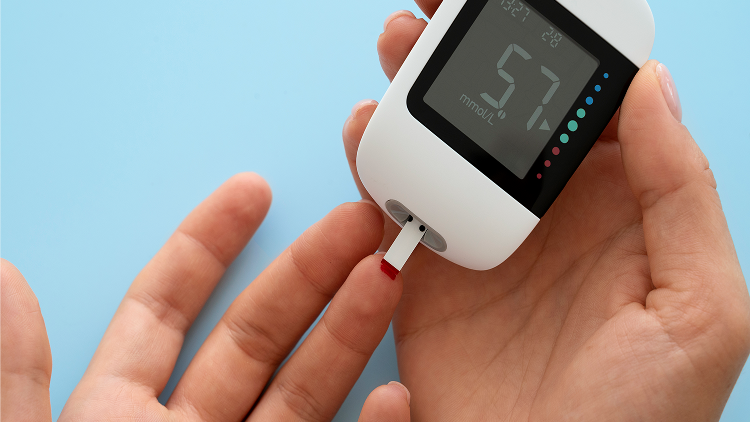
The term "silent killer" is often used in medicine, but perhaps nowhere is it more appropriate than in the context of Type 2 diabetes. Millions of people globally are currently living with insulin resistance without realizing it. In this state, the body’s cells stop responding effectively to insulin—the hormone responsible for ushering sugar into your cells for energy. As a result, high blood sugar levels begin to climb, quietly damaging blood vessels and vital organs for years before a formal diagnosis is ever made.
Catching diabetes in its early stages is the difference between a life of management and a life of severe diabetes complications. By recognizing the subtle red flags, from frequent urination to tingling or numbness in the extremities, you can take control of your glucose levels and protect your long term health.
One of the earliest and most recognizable signs of rising glucose levels is a change in your bathroom habits. To understand why this happens, we have to look at how the kidneys function as a filtration system.
When your blood glucose becomes excessively high, your kidneys are forced to work overtime to filter and absorb the excess sugar. However, the kidneys have a limit. When they hit that threshold, the excess sugar is "leaked" into your urine. Because sugar is osmotically active, it drags large amounts of water along with it. This process, known as polyuria, leads to frequent urination, often waking you up several times throughout the night.
As you lose massive amounts of fluid through urination, your body naturally enters a state of dehydration. This triggers an intense, unquenchable thirst. You drink more water to compensate, which only feeds the cycle of urination. If you find yourself constantly reaching for a glass of water or feeling like your mouth is a desert despite drinking gallons, it is a major red flag that your body is struggling to manage its sugar load.
High sugar levels don't just affect your thirst; they change the very chemistry of your body, making it a breeding ground for infections. Bacteria and fungi thrive on glucose, and when your blood and urine are saturated with sugar, these pathogens have an all-you-can-eat buffet.
Women, in particular, may notice a rise in persistent yeast infections. Similarly, both men and women may suffer from frequent urinary tract infections (UTIs). If you are treating these infections only to have them return a few weeks later, it may be because the underlying "fuel"—high sugar—hasn't been addressed.
Perhaps one of the most dangerous symptoms of Type 2 diabetes is slow healing. High sugar weakens the white blood cells' ability to fight off invaders and damages circulation. When blood vessels are compromised, oxygen and nutrients struggle to reach a wound site. A simple cut on the foot or a scrape on the arm that would normally heal in days might linger for weeks or months. This is a critical warning sign that your immune system and circulatory system are under siege.
Diabetes isn't just an internal struggle; it often manifests on the surface of the body and through the "windows" of your soul.
Many people notice skin changes long before they feel "sick." A common sign of insulin resistance is a condition called Acanthosis Nigricans. This appears as dark, velvety patches of skin, typically in the folds of the neck, armpits, or groin. It is often mistaken for dirt or a tan that won't wash off, but it is actually a physical manifestation of high insulin levels in the blood.
Can you see clearly one day and everything is blurry the next? High blood sugar levels can cause fluid to be pulled from the lenses of your eyes, changing their shape and affecting your ability to focus. While this type of blurred vision is often reversible once sugar levels are managed, chronic high sugar can eventually lead to permanent damage and blindness through diabetic retinopathy.
As sugar sits in the bloodstream, it acts as a toxin to the delicate walls of the blood vessels and the coating of the nerves. This leads to a condition known as peripheral neuropathy.
Many people with diabetes describe a sensation of tingling or numbness in their hands and feet, often described as "pins and needles" or feeling like they are wearing an invisible pair of gloves or socks. This happens because the tiny vessels that feed your nerves are being destroyed by glucose.
The "silent" nature of this symptom is what makes it so deadly. If you lose sensation in your feet, you may not feel a blister, a thorn, or a small cut. Left untreated, these minor injuries can turn into deep ulcers. Combined with slow healing, these ulcers are a primary cause of foot infections that lead to amputation. According to The Cleveland Clinic, protecting your feet is a non-negotiable part of diabetes care.
In a society obsessed with weight loss, dropping pounds without trying might seem like a dream come true. However, for those with undiagnosed diabetes, it is a sign of metabolic crisis.
Because insulin is a hormone that allows your body to use sugar for energy, a lack of effective insulin means your cells are effectively starving. To keep you alive, the body begins burning fat and muscle at a rapid rate to provide an alternative fuel source. If you are eating more than usual but still losing weight, your body is essentially wasting away from the inside out.
The good news is that Type 2 diabetes is often preventable—and in some cases, reversible—if caught in the "pre-diabetes" stage.
Do not rely solely on a random finger prick. The gold standard for diagnosis is the Hemoglobin A1c test. While a finger prick shows your sugar at that exact second, the A1c shows your average glucose levels over the past three months. The Mayo Clinic recommends that everyone over 35 be screened, or earlier if you have risk factors like a family history or a sedentary lifestyle.
| Symptom | Why it Happens | Urgency Level |
|---|---|---|
| Frequent Urination | Kidneys trying to flush excess glucose. | High |
| Tingling or Numbness | Sugar damaging the nervous system. | Critical |
| Slow Healing | Poor circulation and weakened immunity. | Critical |
| Blurred Vision | Fluid shifts in the eye lenses. | Medium |
| Unexplained Weight Loss | Body burning muscle/fat because it can't use sugar. | High |
Type 2 diabetes does not happen overnight. It is a slow, progressive condition that gives you plenty of warnings—if you know how to listen. From the way your skin looks to how often you find yourself at the bathroom sink, these "silent" symptoms are your body’s way of screaming for help.
By prioritizing physical activity, monitoring your risk factors, and getting regular A1c tests, you can stop the progression of insulin resistance and avoid the devastating diabetes complications of the future. Don't wait for a crisis to change your life.
For more detailed information on spotting these signs, visit these trusted medical sources:
This blog post sheds light on why Type 2 diabetes is often called a "silent killer" and provides a roadmap for identifying the body's subtle warning signs.

Nutritionist and Dietician, Ruhi Rajput is a renown name, championing the integration of nutrition, lifestyle, and mindfulness She has over a decade of valuable experience, empowering health and nutrition through holistic approach.
Recognised as India's top Dietician and Nutritionist expert, with experience in Clinical Nutrition & Ayurvedic Dietetics. Ruhi has crafted a niche for herself with her excellence in gut health, natural Hormone balance with food and weight loss programs. She is popular for her holistic health approach and offers comprehensive solutions to gut health, weight management, autoimmune disorders and diet for Diabetes, Kidney and fatty liver.
Drawing from her expertise in nutrition and functional medicine Ruhi Rajput has made it easy for countless individuals to reach their optimal health goal with commitment to sustainable and holistic approach.