
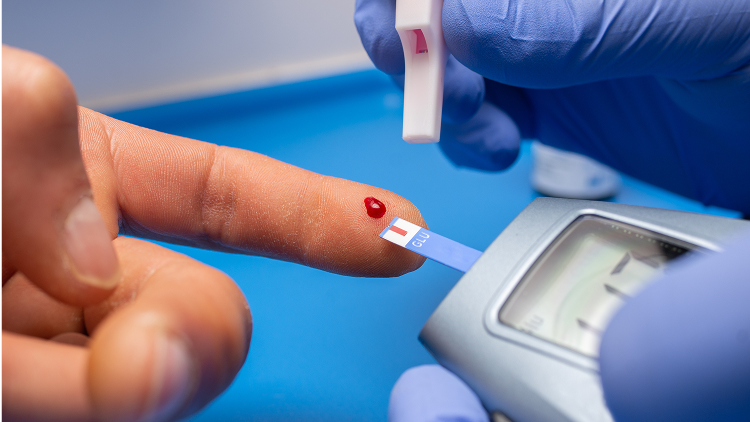
Type 1 Diabetes Mellitus is a chronic condition affecting the body's autoimmune system resulting in the production of little to no insulin. Insulin is crucial for transporting glucose from the blood to the body's cells for energy. Without insulin, the blood sugar will continue to raise, resulting in dangerous health problems over time. For a more detailed explanation, check out the CDC for a very informative, trustworthy overview.
Type 1 Diabetes is different from Type 2 Diabetes as it cannot be caused by insulin resistance. Type 1 Diabetes is formed when the body's immune system attacks and destroys the cells in the pancreas that produce insulin. The genetic codes, along with a viral infection and immune system problems, might contribute to the formation of Type 1 Diabetes. For more in-depth data about the global variety of diabetes, check the WHO…
Once Type 1 Diabetes is formed, the symptoms often rapidly increase. The most common signs are increased thirst, frequent urination, and unexplained weight loss, while other symptoms are tiredness and blurred vision.
Blood tests are an essential part of diagnosing Type 1 Diabetes. The tests include a fasting blood test, A1C test, and autoantibody test. Each test measures a different part of the body's ability to control blood sugar and the production of insulin. The Mayo Clinic gives an overview of how this process works.
Daily management of Type 1 Diabetes requires ongoing care and an insulin therapy regimen. This also includes monitoring carbohydrate intake, blood sugar levels, and daily activities to avoid spikes in blood sugar. It usually takes a few weeks of practice to settle into a routine that fits your lifestyle.
When the body uses an autoimmune response to destroy the beta cells of the pancreas, Type 1 Diabetes Mellitus develops. Beta cells are found in the Islets of Langerhans, and their normal function is to produce the hormone insulin, which facilitates the entry of glucose into the cells to be used for energy. The body is no longer able to make insulin, which results in High Blood Sugar.
While the exact cause of Type 1 Diabetes remains a mystery, the condition is thought of as an autoimmune disease triggered by a combination of genetics, environment, and immune system factors. Type 1 Diabetes is caused by a genetic mutation, and a stronger mutation of the condition is said to cause a family history of Type 1 Diabetes. This genetic makeup is primarily found in specific genes, like the HLA-DR3 and HLA-DR4 genes. These abnormal genes increase the odds of developing Type 1 Diabetes. Most Type 1 Diabetes cases occur between in 4 to 7 year olds, and then again in 10 to 14 year olds. A full explanation of the genetics of Type 1 Diabetes can be found at the Mayo Clinic.
Type 1 Diabetes causes the body to stop the production of insulin. This causes blood sugar levels to increase, leading to early warning signs of Type 1 Diabetes. These early signs include dehydration as a result of the blood sugar levels, which causes the body to lose water.
When Type 1 Diabetes is developing, there are four warning signs that are referred to as the Four Polys. These four polys are the signature signs of hyperglycemia:
Recognizing early indicators of Type 1 Diabetes is very important. Losing weight without trying, extreme tiredness, and weakness, which sometimes cause irritability, are signs that people may have Diabetes. These signs can make everyday activities very difficult. Other signs may be increased bed wetting in children and blurry vision. These signs mean that there may be high blood sugar levels. If these signs are acknowledged and communicated to medical professionals quickly, they can begin to manage it in early stages.
Type 1 Diabetes can lead to even bigger complications, which is why spotting the signs early is important. If medical attention is attained quickly, it may be lifesaving.
When there isn’t enough insulin in the body to convert glucose into energy, the body starts breaking down fat and protein, and this can lead to a serious and rapid complication of Type 1 Diabetes called Diabetic Ketoacidosis (DKA). This brings the blood ketone levels to dangerous levels and is a serious issue that needs immediate attention.
Ketones are removed from the blood stream by the body, but in some cases ketones are created faster than the body can eliminate them. Because of this, the blood stream becomes more and more acidic.
When blood becomes more acidic, the body moves to a state of diabetic ketoacidosis (DKA). DKA is a medical emergency, and the individual in question needs to be treated immediately.
A distinguishing characteristic of DKA is the presence of a sweet breath. This is indicative of rising levels of the bi-product of ketones known as acetone.
Not living with T1D can seem daunting, especially with the unanswered questions of complications and blood sugar levels, but with modern treatments, these issues can be avoided and managed. Ultimately, it comes down to daily control and monitoring blood glucose levels, taking the correct dosages of insulin, and living a balanced lifestyle. This protective approach to lifestyle choices prevents long term issues with your body.
Building a daily routine helps boost confidence and allows you to manage your condition more easily. T1D isn’t a challenge that you have to face alone. You have your medical team and regular check ins to help define your goals, run sports, work, live your T1D will not stop you.

Nutritionist and Dietician, Ruhi Rajput is a renown name, championing the integration of nutrition, lifestyle, and mindfulness She has over a decade of valuable experience, empowering health and nutrition through holistic approach.
Recognised as India's top Dietician and Nutritionist expert, with experience in Clinical Nutrition & Ayurvedic Dietetics. Ruhi has crafted a niche for herself with her excellence in gut health, natural Hormone balance with food and weight loss programs. She is popular for her holistic health approach and offers comprehensive solutions to gut health, weight management, autoimmune disorders and diet for Diabetes, Kidney and fatty liver.
Drawing from her expertise in nutrition and functional medicine Ruhi Rajput has made it easy for countless individuals to reach their optimal health goal with commitment to sustainable and holistic approach.