
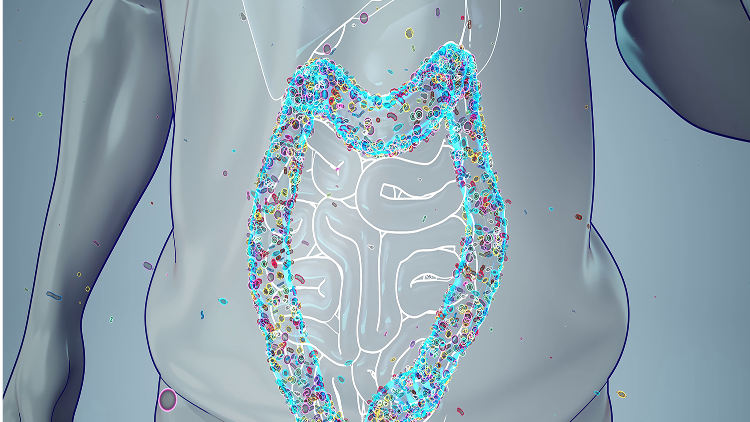
There is a pattern that shows up repeatedly in women dealing with unexplained health symptoms: anxiety that arrives without an obvious psychological trigger, joint pain that migrates and does not fit a clear diagnosis, and a fatigue so deep that no amount of sleep resolves it. Standard blood tests often come back largely normal. Doctors treat each symptom separately. The underlying connection goes unaddressed.
Increasingly, research points to the gut — specifically to a condition called increased intestinal permeability, more commonly called leaky gut — as a root driver of this symptom cluster. This is not fringe theory or alternative medicine. The gut-brain-immune connection is a well-established field of biomedical research with thousands of published studies documenting how a compromised intestinal barrier affects systems throughout the body.
landmark paper published in PMC, described the gut as the 'second brain' and documented the bidirectional signalling between intestinal bacteria, the immune system, and the central nervous system. This guide explains what leaky gut actually is, how it connects to anxiety, joint pain, and fatigue through specific biological mechanisms, and what dietary steps produce real improvement.
The lining of your small intestine is a single-cell-layer barrier — incredibly thin, but remarkably sophisticated. In a healthy gut, cells in this lining are connected by structures called tight junctions that control exactly what gets through the gut wall into the bloodstream: nutrients, vitamins, and water pass through; undigested food particles, bacterial toxins, and pathogens are blocked.
Leaky gut (increased intestinal permeability) happens when these tight junctions loosen or break down. When that happens, substances that should stay in the gut — partially digested food proteins, bacterial endotoxins called lipopolysaccharides (LPS), and microbial metabolites — escape into the bloodstream.
The immune system encounters these foreign substances in the blood and mounts a response. This immune activation does not stay localised to the gut. Through inflammatory cytokines, the nervous system, and systemic circulation, the effects of that immune response reach the brain, joints, muscles, and every other organ in the body. This is the mechanism connecting gut permeability to symptoms that seem completely unrelated to digestion.
The gut-brain connection operates through multiple channels simultaneously. The vagus nerve — the longest nerve in the body — runs directly from the brainstem to the gut and carries constant two-way communication. When gut inflammation rises (from LPS or bacterial toxins crossing the gut barrier), inflammatory signals travel via the vagus nerve and through the bloodstream to reach the brain.
In the brain, these inflammatory signals activate microglia (the brain's immune cells), which reduce the production of serotonin and GABA — the neurotransmitters that produce calm and emotional stability. They also activate the HPA axis, raising cortisol. The result is anxiety, restlessness, low mood, and emotional reactivity that has a physical inflammatory cause, not just a psychological one.
Additionally, approximately 95% of the body's serotonin is produced in the gut — not the brain — by gut bacteria and intestinal cells. When gut health is disrupted, serotonin production is directly affected. This is a direct pathway from gut dysfunction to anxiety and mood disruption.
When bacterial endotoxins (LPS) cross the leaky gut barrier into the bloodstream, the immune system produces inflammatory cytokines — particularly TNF-alpha, IL-1β, and IL-6 — to combat the perceived invasion. These cytokines circulate throughout the body and can trigger inflammation in joint tissue, producing pain, stiffness, and swelling that does not have a clear rheumatological diagnosis.
This is sometimes called 'reactive arthritis' or 'gut-origin joint inflammation.' The pain typically migrates between joints, does not follow the pattern of classic rheumatoid arthritis, and is often accompanied by fatigue and gut symptoms. It responds to gut healing interventions, which is a key diagnostic indicator that the gut is the source.
Fatigue from leaky gut has two distinct mechanisms. First, the chronic immune activation from LPS exposure consumes significant metabolic energy — the immune system is energy-intensive when running at elevated activation. Chronic immune stimulation produces the same kind of deep fatigue as fighting an infection, but without the acute illness.
Second, gut dysbiosis (the bacterial imbalance that often accompanies leaky gut) impairs the production of B vitamins and short-chain fatty acids that are essential for cellular energy metabolism. When gut bacteria are disrupted, the nutritional cofactors for mitochondrial energy production become depleted.

Nutritionist and Dietician, Ruhi Rajput is a renown name, championing the integration of nutrition, lifestyle, and mindfulness She has over a decade of valuable experience, empowering health and nutrition through holistic approach.
Recognised as India's top Dietician and Nutritionist expert, with experience in Clinical Nutrition & Ayurvedic Dietetics. Ruhi has crafted a niche for herself with her excellence in gut health, natural Hormone balance with food and weight loss programs. She is popular for her holistic health approach and offers comprehensive solutions to gut health, weight management, autoimmune disorders and diet for Diabetes, Kidney and fatty liver.
Drawing from her expertise in nutrition and functional medicine Ruhi Rajput has made it easy for countless individuals to reach their optimal health goal with commitment to sustainable and holistic approach.